
Trees
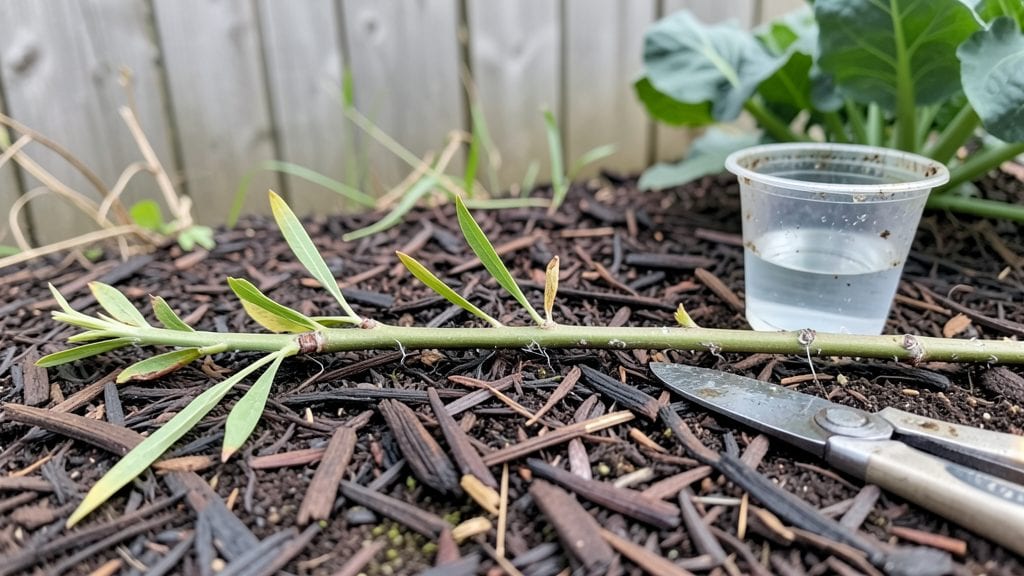
Planting willow trees from cuttings lets you grow these graceful giants for pennies instead of dollars—here's how to do it right. 🌿 I've rooted willow cuttings in everything from riverbanks to city backyards, and the secret isn't fancy tools but timing and patience.
The best time to take cuttings is late winter or early spring when the tree is dormant but ready to sprout.
You only need three things: healthy willow branches, a sharp knife, and a bucket of water. Cut 12-18 inch sections from new growth, strip the lower leaves, and place them in water where they'll stay submerged for 2-3 weeks.
Willow cuttings root faster than most trees—sometimes in just days—but consistency is key.
Once roots form, transplant them into moist soil with partial shade. Keep the soil damp but not soggy, and avoid full sun until they establish. Within a season, you'll have a sturdy young tree ready to grow into that weeping beauty you've always wanted.
Common mistakes? Overwatering (which causes rot) or using old wood (which refuses to root). Stick with fresh cuttings from healthy branches, and you'll see success rates over 80%. The payoff? A fast-growing tree that thrives in wet soil and spreads like nature intended.
📚 In This Guide
- What you need
- Instructions
- Tips and common mistakes
- Wrapping up and next steps
What you need
- ● Willow cuttings: 12–18 inch-long, pencil-thick stems (green or semi-hardwood, cut from healthy, disease-free branches in late fall or early spring).
- ● Rooting hormone: 1 small bottle (powder or gel, like Rootone or Clonex).
- ● Containers: 4–6 small pots (4–6 inches deep) with drainage holes or a shallow tray (for water propagation).
- ● Potting mix: 1 bag of well-draining soil (50% perlite/sand + 50% peat or coco coir).
- ● Water: Room-temperature, filtered or rainwater (to avoid chlorine).
- ○ Plastic bags or clear lids: To create a humid microclimate (optional but helpful for tropical climates).
- ● Pruning shears: Sharp, clean pair (sterilize with rubbing alcohol).
- ● Spray bottle: For misting cuttings (keeps humidity high).
- ● Grow lights: LED or fluorescent (if propagating indoors with low light).
- ○ Heat mat: Optional for speeding up rooting (70–75°F range).
- ● Labels & markers: To track cutting dates/varieties.
How to root willow tree cuttings for free transplants
Here’s the straightforward method I’ve used to grow healthy willow trees from cuttings—no fancy tools needed.
🌱 Step 1: Collect and Prepare Healthy Cuttings
Choose 4-6 inch long willow cuttings from new growth in late winter or early spring. Look for flexible, green stems—they root best. Use clean, sharp pruners or even a knife to make a clean cut just below a leaf node (that little bump where leaves attach).
Strip off all but the top 2-3 leaves to reduce moisture loss. If the leaves are large, trim them in half to keep the plant from drying out too fast. I like to label each cutting with a toothpick and marker so I don’t mix up varieties later.
💧 Step 2: Soak Cuttings to Boost Root Growth
Fill a large glass or jar with room-temperature water and submerge the cut ends of your willow stems. Leave them soaking for 24-48 hours—this softens the tough outer layer and encourages faster root development. Change the water halfway through if it gets cloudy.
After soaking, you’ll see tiny white root hairs forming at the cut end. That’s your cue that the process is working! Keep the cuttings in water until you’re ready to plant them—just refresh the water every 2-3 days to prevent algae or bacteria buildup.
🪴 Step 3: Plant Cuttings in Moist, Loose Soil
Fill a shallow container (like a seed tray or even a plastic bucket) with a mix of 50% potting soil and 50% perlite or sand—this keeps the soil loose and well-draining. Moisten it until damp but not soggy, then make 2-inch deep holes with your finger or a pencil.
Insert each cutting at a 45-degree angle—this gives roots more surface area to grow. Press the soil gently around the stem but don’t pack it down. Place the container in a spot with bright, indirect light (like a shaded windowsill) and keep the soil consistently moist. You’ll know it’s right when the surface feels damp but not dripping.
☀️ Step 4: Encourage Roots with Humidity and Patience
Cover the container with a clear plastic bag or humidity dome to trap moisture—willow cuttings love humidity. Check daily and mist the leaves if they look dry. Roots should appear in 2-4 weeks, but don’t peek too often—disturbing them slows growth.
Once roots are 1-2 inches long, you can transplant them into individual pots or directly into the ground. If planting outside, choose a moist, sunny spot with well-draining soil. Water deeply after planting and mulch around the base to retain moisture. Real talk: Some cuttings take longer—don’t give up if yours are slow starters!
Tips & tricks for perfect willow tree propagation
Between us, these small adjustments make all the difference between wilting cuttings and thriving new trees.
Timing Secret: The 24-48 hour soak is your best friend—don't skip it! This critical window softens the tough outer layer of willow stems, which dramatically increases root formation. Confession: I skipped this step for years and wondered why my cuttings always struggled. Pro tip: Use filtered or rainwater if possible, as tap water can contain chlorine that may inhibit root growth.
Soil Mix Matters: That 50/50 blend of potting soil and perlite/sand isn't just arbitrary—it creates the perfect balance. Too much soil compacts and suffocates roots, while too much perlite dries out too quickly. I've had great success using coconut coir instead of perlite if you're concerned about drainage. Just make sure your container has drainage holes to prevent soggy roots.
Rooting Success: When checking for roots after 2-4 weeks, don't dig around—gently tug on the cutting instead. If it resists slightly, roots are forming. I've found willow cuttings root fastest in temperatures between 65-75°F. If your home runs cooler, consider using a seedling heat mat underneath your propagation container for that extra boost.
Transplanting Wisdom: Those 1-2 inch roots you're waiting for are actually stronger than they look. When transplanting, handle the cuttings by the leaves, not the stems, to avoid damaging the delicate new roots. I've learned the hard way that willow trees hate having their roots disturbed—be gentle when moving them to their final planting spot.
Pro Tips for Planting Willow Trees From Cuttings
- Between us, these small adjustments make all the difference between wilting cuttings and thriving new trees.
- Timing Secret: The 24-48 hour soak is your best friend—don't skip it!
- Soil Mix Matters: That 50/50 blend of potting soil and perlite/sand isn't just arbitrary—it creates the perfect balance.
Frequently asked questions
Got questions about growing willow trees from cuttings? You’re not alone! Here are some of the most common concerns—and their answers—to help you root your willows with confidence.
What’s the best time of year to take willow cuttings?
Spring (late winter to early spring) is ideal for willow cuttings, as the tree’s sap is flowing and new growth is about to begin. You can also try in early autumn, but avoid winter when the tree is dormant. Pro tip: Aim for late February to March in most climates for the best success!
How long do willow cuttings take to root?
Willow cuttings are fast growers! With the right conditions (moisture, warmth, and indirect light), you’ll often see roots forming in 2–4 weeks. Some varieties may root even sooner—keep an eye out for tiny root hairs peeking from the base of your cutting.
Can I use any willow branch for cuttings, or are some better?
Not all branches work equally well. Look for healthy, pencil-thick shoots (about ½-inch in diameter) from the current year’s growth. Avoid woody, mature branches—they root poorly. The best cuttings come from Weeping Willow or Crack Willow varieties, known for their rooting ease!
What should I do if my willow cuttings rot instead of rooting?
Rot is usually a sign of too much moisture or poor airflow. If you notice mushy stems or foul smells, remove the affected cutting immediately. To prevent this, use a well-draining medium (like perlite or sand), keep cuttings slightly elevated, and avoid overwatering. Pro tip: A spritz of fungicide can help if rot is a recurring issue!
Can I plant rooted willow cuttings directly outside, or do they need to stay indoors first?
Once your cuttings have developed a strong root system (about 2–3 inches long), they’re ready for outdoor planting. Harden them off by gradually exposing them to outdoor conditions for a week before transplanting. Choose a moist, sunny spot with well-draining soil—willows love water but hate soggy roots!
Wrapping up and next steps
Planting willow trees from cuttings is a rewarding and budget-friendly way to grow these fast-growing beauties! With the right tools, patience, and a little care, you’ll soon have thriving willows adding life to your landscape. 🌿
Now that you’re ready to dive in, start with just one cutting—experiment with the steps, and don’t hesitate to share your progress with fellow gardeners. Happy planting, and may your willow roots run deep and strong!
Next step: Mark your calendar for regular watering and watch those roots take hold—you’ve got this! 🌱